Open Enrollment for 2027 coverage runs Nov 1 – Jan 15. Enroll by Dec 15 for a January 1 start.Get a Free Quote →
Dental and Vision Insurance

Dental and Vision Coverage Without the Guesswork

Cleanings, exams, fillings, glasses, and contacts add up fast. VS Health Benefits compares dental and vision plans from the top carriers and finds coverage that fits your budget and keeps your dentist and eye doctor in network. Buying on your own without employer benefits? See our individual dental and vision plans, or run the numbers on whether coverage is worth it for you.

Dentist and eye doctor networks verified Standalone or bundled Zero cost to you
Dental and Vision Coverage Without the Guesswork
$0Cost to consult
Dentist and Eye Doctor Networks Checked Standalone or Bundled Plans Licensed in 40+ States 100% Free Service

Is dental and vision insurance separate from health insurance?

For adults, yes. Adult dental and vision are not essential health benefits under the ACA, so almost no medical plan includes them. You buy them as a standalone policy or as a bundle. Children's dental is different and is covered. Because premiums are low relative to medical coverage, the real question is simple: add up two cleanings, one eye exam and one pair of glasses at cash price, and compare that to a year of premiums plus any waiting period on major work.

We compare all major dental and vision carriers

Delta Dental
VSP Vision
Cigna
Humana
MetLife
Guardian
EyeMed
Aetna
UnitedHealthcare
Ameritas
Delta Dental
VSP Vision
Cigna
Humana
MetLife
Guardian
EyeMed
Aetna
UnitedHealthcare
Ameritas
What Is Covered

What Dental and Vision Insurance Actually Covers

Dental and vision benefits are usually sold as two separate plans that work side by side. Here is what each one typically pays for.

Dental Coverage

Most dental plans follow a 100 / 80 / 50 structure, which means the plan pays a higher share for preventive care and a smaller share for major work.

  • Preventive care. Cleanings, exams, and routine x-rays, often covered at 100 percent with no waiting period.
  • Basic care. Fillings, simple extractions, and some root canals, often covered around 80 percent.
  • Major care. Crowns, bridges, dentures, and oral surgery, often covered around 50 percent after a waiting period.
  • Orthodontics. Braces and aligners for kids and sometimes adults, available on plans that include an ortho benefit.

Vision Coverage

Vision plans are built around an annual eye exam plus an allowance toward glasses or contacts, which keeps your out of pocket cost predictable.

  • Annual eye exam. A comprehensive exam each year for a low copay, which also screens for eye health issues.
  • Lenses. Single vision, bifocal, and progressive lenses covered each benefit period.
  • Frames. An allowance toward frames, with any extra cost paid by you.
  • Contact lenses. An allowance toward contacts in place of glasses, plus discounts on LASIK with many carriers.
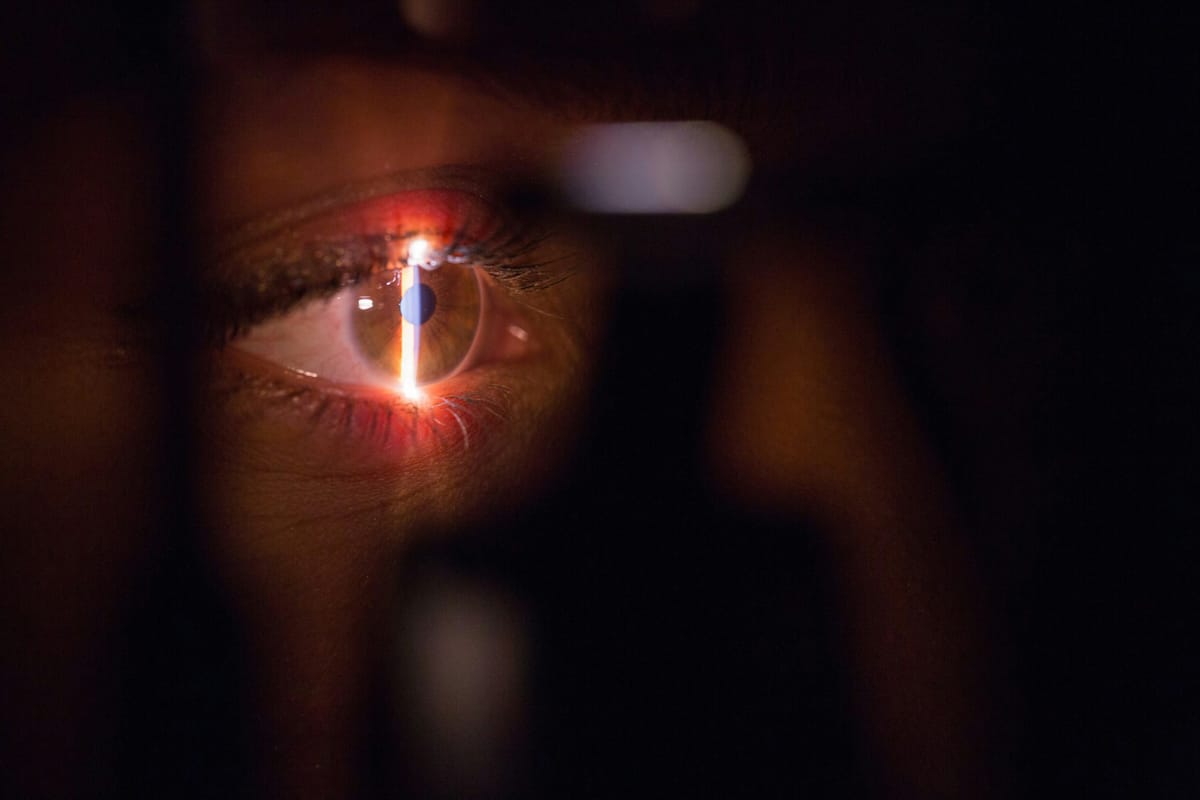
Eye doctor giving a patient a vision exam covered by vision insurance
Standalone or Bundled

Should You Buy Dental and Vision On Their Own or Add Them To a Health Plan

Health insurance for adults rarely includes dental and vision, so most people add these benefits separately. There are two ways to do it, and we compare both so you pay the lowest total cost.

  • Standalone plans. Private dental and vision plans you can buy any time of year, with no need to change your health coverage.
  • Bundled plans. Some carriers package medical, dental, and vision together, which can simplify billing and ID cards.
  • Family vs individual. Family dental and vision plans often cost less per person than separate individual policies.
  • Network match. We confirm your dentist and eye doctor are in network before you enroll.
Compare My Options
Plan Types

Dental and Vision Plan Types We Compare

The right plan depends on the dentists you use, whether you need orthodontics, and how often you buy new glasses.

Dental PPO plan with a wide dentist network
P

Dental PPO

See a large network of dentists and keep some coverage out of network. The most flexible option and the most popular with families.

Most flexible
Dental HMO plan with low fixed copays
H

Dental DHMO

Lower monthly cost with fixed copays and no annual maximum, in exchange for using a set network of dentists.

Lowest premium
Vision plan covering eye exams glasses and contacts
V

Vision Plan

An annual eye exam plus allowances for glasses or contacts through networks like VSP and EyeMed, with LASIK discounts.

Eyes covered
Bundled dental and vision plan on one statement
B

Bundled Dental and Vision

One plan that pairs dental and vision benefits, which means one premium, one card, and simpler renewals.

All in one

Why People Choose VS Health Benefits

40+
States licensed
$0
Consultation cost
10+
Dental and vision carriers
24h
Typical reply time
How It Works

Getting Dental and Vision Coverage

1

Free Consult

A quick chat about your dentist, your eye doctor, and what you want covered.

2

Network Check

We confirm your providers are in network before we show you a single plan.

3

Compare Plans

Side by side quotes with real copays, allowances, and waiting periods spelled out clearly.

4

Enroll and Done

We handle the paperwork and your ID cards so you can book that next appointment.

What It Costs

Typical Dental and Vision Costs

Actual prices depend on your age, location, and plan, but here is a realistic range for individual coverage so you know what to expect.

CoverageTypical Monthly RangeWhat You Get
Dental only$15 to $45 per personCleanings, exams, fillings, and a share of major work
Vision only$8 to $20 per personAnnual exam plus glasses or contacts allowance
Dental and vision bundle$25 to $60 per personBoth benefits on one plan and one bill
Family plan$50 to $130 per familyCoverage for two adults and dependent children

See Your Exact Price

Client Stories

What Clients Say

★★★★★

"They found a dental plan that covered my crown without a long waiting period. I had no idea those plans even existed."

Marcus T.
Self-employed
★★★★★

"Added vision for the whole family for less than I expected. New glasses for two kids and an exam for me, all covered."

Priya S.
Mother of two
★★★★★

"VS Health Benefits checked that my dentist was in network first. No surprises, no pressure, and it cost me nothing to use them."

Dana R.
Retiree
Coverage By State

Dental and Vision Insurance In Your State

We are a licensed, independent brokerage headquartered in Miami, Florida, helping individuals, families, and small businesses find dental and vision coverage across 40+ states. Because dental and vision plans are sold by national carriers, the plans, networks, and prices are broadly similar from state to state — what changes most is which carriers are available and how coverage pairs with any state Medicaid or marketplace options. We check all of that for your ZIP code, free.

Do not see your state? We very likely cover it too — we are licensed in most states. Get a free quote and we will confirm your options in minutes.

The Complete Guide

Everything Else Worth Knowing

Why Health Plans Leave Out Dental and Vision

For children, dental and vision are considered essential health benefits, so kids' coverage is often built into a family medical plan. For adults, that is not the case. Most medical plans treat teeth and eyes as separate, which is why a typical health policy will pay for a broken arm but not a cleaning or a pair of glasses.

That gap is why standalone dental and vision plans exist. They are inexpensive, they are sold year round, and they are designed to make routine care predictable. Instead of paying full price at the dentist or the optical shop, you pay a small monthly premium and the plan picks up a defined share of the cost.

Is Dental and Vision Insurance Worth It?

Run the numbers against how you actually use care. Here is a common example for one adult on a dental plan that costs 30 dollars a month, or 360 dollars a year.

A simple worth-it example

  • Two cleanings and two exams a year at full price: roughly 350 to 500 dollars. A plan covers these at 100 percent.
  • One filling: roughly 200 dollars at full price, covered around 80 percent.
  • One crown later in the year: often over 1000 dollars, covered around 50 percent after the waiting period.

In that example the preventive visits alone come close to paying for the plan, and a single restorative procedure pushes you well past break even. The people who get the least value are those who never visit a dentist and never buy glasses. For everyone who uses routine care, coverage usually wins.

Common Mistakes to Avoid

Buying on price alone

The cheapest dental plan often has the longest waiting periods and the smallest network. If you need work soon, the lowest premium can cost you the most.

Ignoring the annual maximum

A plan that pays 50 percent of a crown still stops paying once you hit the annual maximum. For significant work, a higher maximum is usually worth a slightly higher premium.

Assuming vision covers both glasses and contacts

Most vision plans cover one or the other each year. Decide which you use more before you enroll so the allowance goes where you need it.

Skipping the network check

Going out of network can erase most of the savings. Always confirm your dentist and eye doctor participate before you sign up.
Common Questions

Dental and Vision Insurance FAQ

Is dental and vision insurance worth it?

For most people yes. If you get regular cleanings and exams, buy glasses or contacts, or expect dental work, a plan usually saves more than it costs. A single crown or a year of glasses can cost more than a full year of premiums.

Can I buy dental and vision insurance without health insurance?

Yes. Dental and vision plans are sold separately from health insurance and can be purchased on their own at any time of year. You do not need to change your existing medical coverage to add them.

Does dental insurance have a waiting period?

Many dental plans cover preventive care right away but apply a waiting period of six to twelve months for major work like crowns. We compare plans and can point you to options with shorter or no waiting periods.

What is the difference between a dental PPO and a DHMO?

A dental PPO lets you see a wide network of dentists and keep some coverage out of network, while a DHMO uses a set network with fixed copays and a lower monthly cost. We help you weigh flexibility against price.

Can I add dental and vision for my whole family?

Yes. Family dental and vision plans cover two adults and dependent children, and they usually cost less per person than separate individual policies. We compare family and individual pricing for you.

How much does dental and vision insurance cost?

Individual dental coverage often runs about 15 to 45 dollars per month and vision often runs about 8 to 20 dollars per month. Bundled and family plans vary. We show your exact price before you enroll.

Ready To Cover Your Teeth and Eyes

Free consult. No pressure. No fees. No spam. We do the comparison for you.

Get a Free Quote Call an Advisor