Group Health Insurance for Foundation Contractors
Foundation contractors run small crews with expensive machines and very little margin for a bad hire. Piling, shoring and underpinning are not trades where you replace a crew leader from a job board, and that single fact changes what a benefits budget is actually buying.
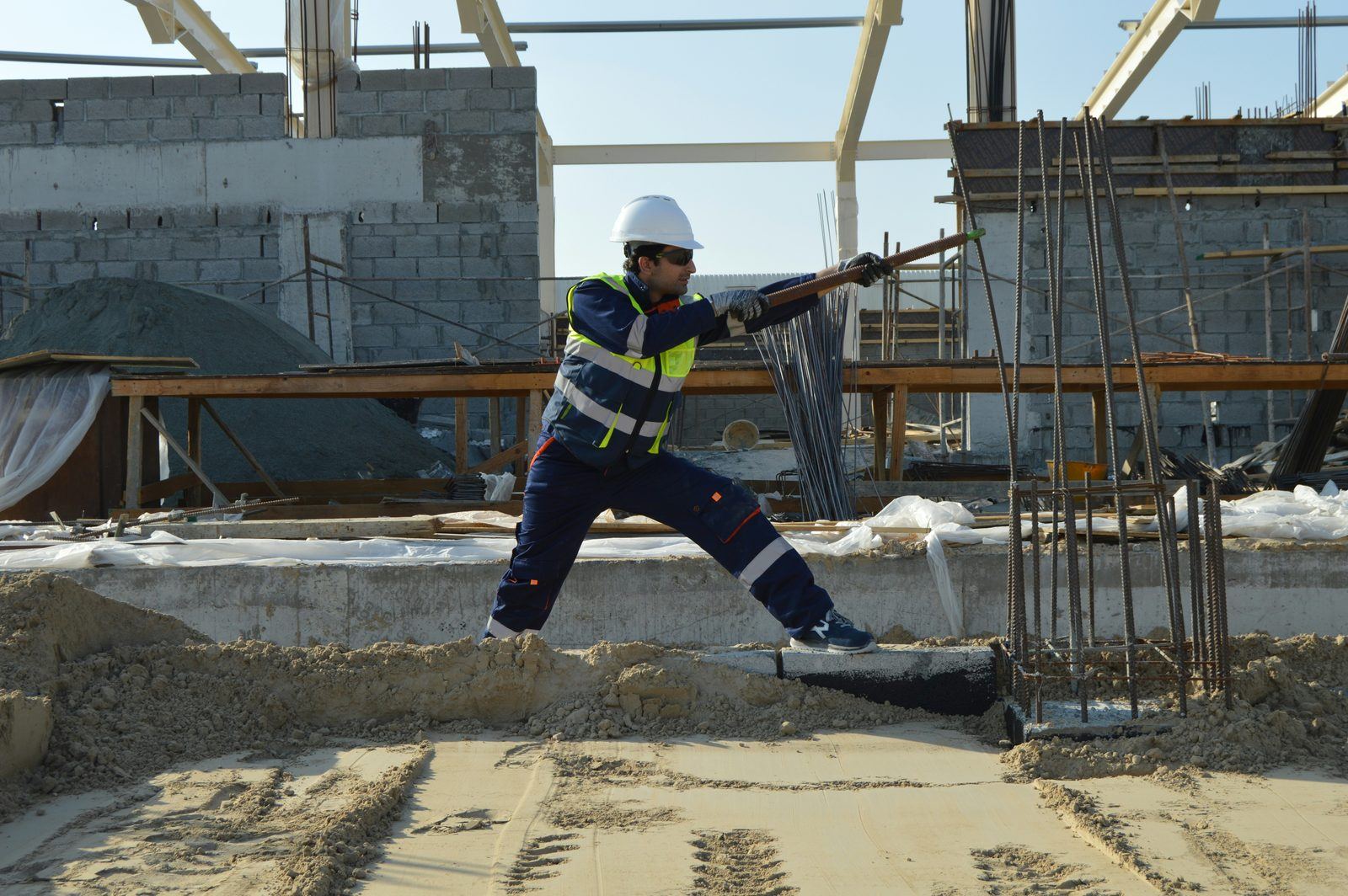
What actually decides this for foundation contractors
Crew size is small and skill concentration is extreme
A drill rig crew might be four people, one of whom genuinely knows what he is doing. Losing that person stops production on a job with liquidated damages attached. Compared with that exposure, the annual cost of covering the whole crew is trivial - which is a calculation most owners have never actually run.
Rig operators and crew leaders are paid enough to make affordability easy
Deep foundation specialists earn well above general construction labour. That keeps the employee's share of premium comfortably affordable and means you can set a lower employer contribution than a low-wage trade could without hurting enrollment.
Geotechnical work is unpredictable and schedules compress
When you hit rock or water the schedule compresses and the crew works long stretches without a break. Fatigue-related injury and burnout are real retention costs here, and access to actual care - not just an insurance card - is part of the answer.
You are often a sub, which means somebody is checking you
Foundation contractors work under GCs who prequalify their subs. Insurance certificates, safety records and increasingly workforce questions are part of that packet. Being the sub whose people are covered is a small but real advantage in a repeat-business relationship.
What it costs
Roughly $520 to $780 per employee per month for employee-only coverage before your contribution. With crews often under fifteen, total employer cost stays manageable even at a generous contribution, and most foundation contractors we work with land between 70% and 90% of employee-only.
Getting approved: the participation question
Small crews mean participation is decided by two or three people. Count waivers correctly before you apply: employees covered by a spouse's plan, a parent's plan, Medicare, VA or TRICARE are excluded from the calculation entirely, which routinely turns a group that looks short into one that qualifies.
Not sure where you land? The group eligibility checker works out your real participation number in about a minute, and the cost calculator shows your monthly share and the payroll tax you get back.
Which structure fits
Four routes are open to a business of this size, and the right one depends on your headcount, your W-2 versus contractor mix, and how much you want to spend per head.
- Fully insured small group — community rated, predictable, and the usual starting point from two enrolled employees up.
- Level funded — often 10–20% below fully insured for a healthy group, with unused claims dollars refundable. Generally worth quoting from about ten enrolled employees.
- ICHRA — reimburse individual coverage tax-free. No participation requirement, no contribution cap, and it reaches a workforce a group plan cannot.
- QSEHRA — for employers under 50, a fixed tax-free monthly allowance, capped at $6,450 single and $13,100 family for 2026.
Foundation Contractors — common questions
Is a five-person foundation crew too small for a group plan?
No. Group coverage generally requires at least one enrolled W-2 employee besides the owner. Five is a normal small group. The binding constraint is participation among those without other coverage, not headcount.
Do we have to cover the owner as well?
The owner can normally be covered on the group plan if they are actively engaged in the business, and in many cases owner coverage is part of what makes the group economics work. Ownership structure affects the tax treatment, so check with your CPA.
How do rig operators compare with other trades on premium?
The medical rate is community rated on age, ZIP, tier and plan design, so the trade itself does not change it. What changes it is that foundation crews are often older than general labour, which raises the age factor.
Can we cover a crew that travels for out-of-town jobs?
Yes, with a national PPO network. Verify that the network reaches the regions you actually work rather than assuming a national brochure means national access.
Is dental worth adding for a small crew?
At roughly $28 to $46 per employee per month it is the least expensive way to make the package feel complete, and on small crews it materially improves how the benefit is perceived relative to what it costs you.
Get real numbers for your crew
Send us your census and a licensed VS Health Benefits advisor comes back with actual carrier pricing. Carriers pay our commission, so comparing costs you nothing.
Get group quotesRelated: Concrete Contractors · Excavation Contractors · Structural Steel Contractors · All industries · Cost calculator