Skilled labor is hard to find and harder to keep. We build affordable group and level funded plans that help construction companies cover owners and crews and win the workers everyone is fighting over.
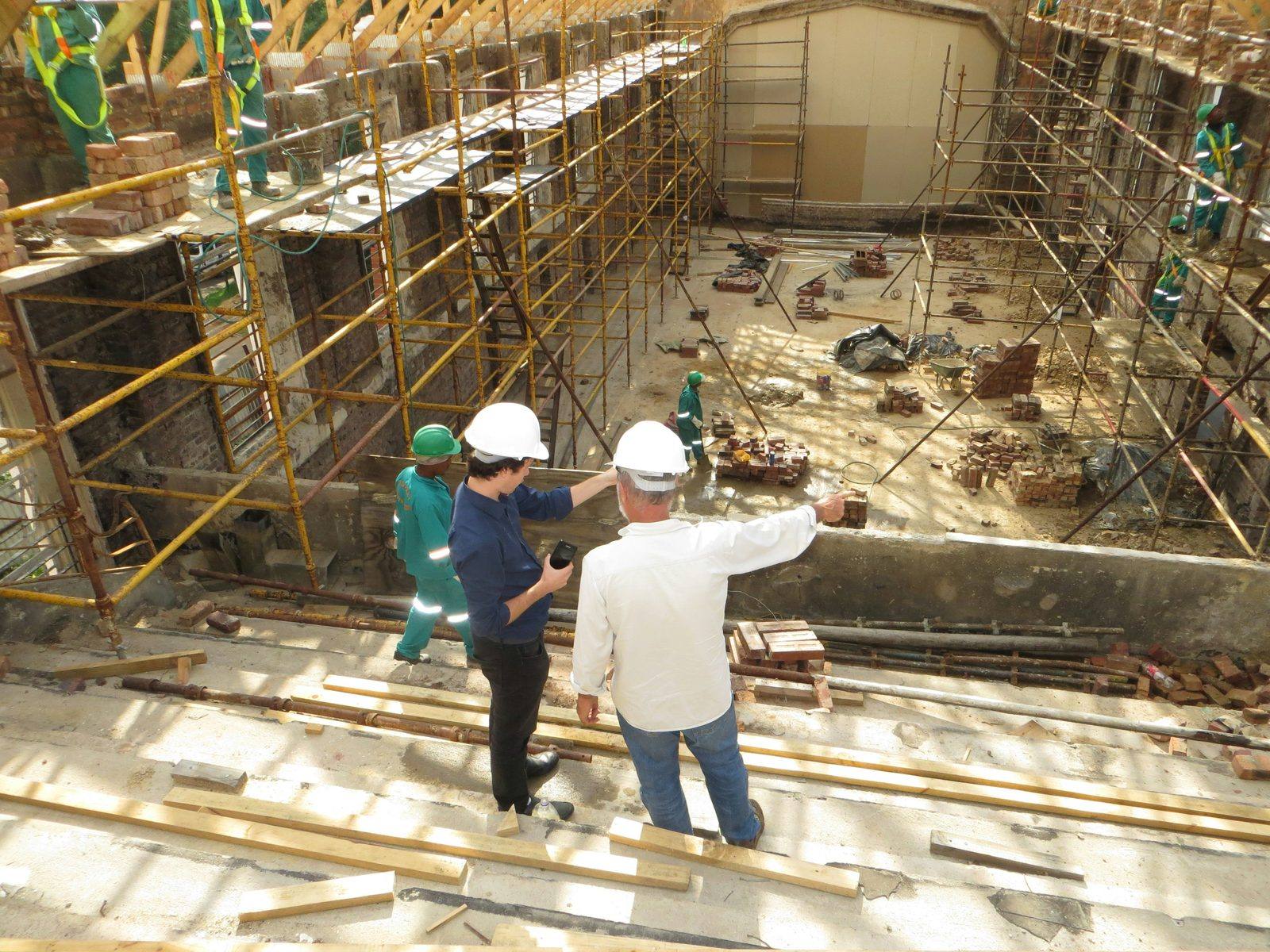
Construction runs on skilled hands, and the best ones go where the benefits are. Offering health coverage is one of the strongest ways to keep a reliable crew season after season.
We lean on level funded and ICHRA structures that keep costs predictable, handle project-based and seasonal work, and cover W2 crew even when you also use 1099 subs.
There is no single right plan. We compare every structure and show you the real numbers so you can pick what fits your team and budget.

The traditional group plan. Predictable monthly premiums, strong carrier networks, and simple administration for your team.
Most familiar
Fixed monthly cost with a potential refund if your team stays healthy. Often the best value for younger, healthier groups.
Cost savings
Reimburse employees tax free for individual plans they choose. Budget control for you, flexibility for your team.
Flexible budget
Round out your package with ancillary benefits that cost little but mean a lot when recruiting and keeping staff.
Complete packageFrom one crew to a full jobsite, here is what we help construction owners solve.
Benefits help you land and keep skilled tradespeople in a tight labor market.
Headcount rises and falls. We set eligibility that fits how construction actually staffs up.
We cover your W2 employees with group plans and point 1099 subs to individual options.
Health coverage sits alongside workers comp so your people are protected on and off the job.
A quick call about your team size, budget, and what you want the plan to do for you.
We pull quotes across every major carrier and plan structure, side by side with real numbers.
You choose the plan that fits. We handle enrollment, employee questions, and the paperwork.
We manage renewals, adds and drops, and keep your costs in check year after year.
Real pricing depends on your team, location, and plan, but here is a realistic range so you know what to expect. Most employers cover part of the premium and employees pay the rest.
| Coverage | Typical Monthly Range | Notes |
|---|---|---|
| Per employee, single | $350 to $650 | Split between employer and employee |
| Level funded group | Often 10 to 30 percent less | Possible refund if claims stay low |
| ICHRA | You set the budget | Reimburse a fixed amount tax free |
| Dental and vision add-on | $8 to $30 per person | Low cost, high impact for retention |
"Good framers were leaving for shops with benefits. A level funded plan let me match them and my turnover dropped."
"I run seasonal crews and thought group coverage was impossible. They set eligibility that actually fit my payroll."
"Fast, clear, and no cost. They covered my W2 guys and helped my subs find their own plans."
Yes. Construction companies with as few as two W2 employees can qualify for group or level funded coverage. Level funded is often the most affordable route for a healthy crew.
Yes. We set eligibility around average hours so seasonal and project-based staffing still works. We help you decide who is eligible without overcommitting.
Group plans cover your W2 employees. For 1099 subs, we point them to affordable individual or family coverage so your whole team has options.
Single coverage commonly runs about 350 to 700 dollars per month and is usually split with the employee. Level funded options can lower that for a healthy crew. We show exact numbers free.
Group coverage can be set up any time of year. There is no open enrollment window to wait for like there is with individual plans.
Free consult. No pressure. No fees. We do the comparison for you and handle the setup.
General contractor, excavation outfit, heavy civil crew — the plan design is similar, but the eligibility and compliance problems are not. Here is what changes by trade.
This surprises most owners in a high-hazard trade. Workers’ compensation is priced on your class code and claims history. Small-group health insurance is not. Under the ACA, a plan for a group of 1 to 50 in Florida can only be priced on five things: employee age, the geographic rating area, family size, tobacco use, and the plan you pick. Industry, injury rate and prior claims are not permitted rating factors. A roofing crew and an accounting office of the same ages in the same county pay the same rate for the same plan.
If you bid federally funded jobs, Davis-Bacon requires a prevailing wage plus a fringe rate. Bona fide health insurance contributions count toward that fringe obligation rather than being paid out as cash. The catch is annualization: your credit is based on the effective annual rate of contributions across all hours worked, DBRA and non-DBRA alike, so you cannot fund a full year of benefits out of prevailing-wage hours alone. Worth modelling before you bid, not after. (DOL Fact Sheet 66E.)
Your crew is usually part W-2, part 1099 subs. Only W-2 employees count toward group eligibility and participation, and only they can be covered on the group plan. Subs buy individually — we point them to the marketplace and they still get a premium deduction on net income. Mixing the two up is the single most common reason a group application gets kicked back.
Excavation runs seasonal headcount and a high workers’ comp mod, which leads a lot of owners to assume health coverage is priced out of reach. It is not, for the reason above. What actually matters is how you define eligibility so your headcount swings do not break participation minimums mid-year.
Heavy civil and bridge work is disproportionately public work, which puts you under prevailing wage. That makes the fringe credit the central design question: structure contributions right and benefits cost you materially less than paying the fringe in cash.
Long-duration jobs, travelling crews and prevailing wage together. Crews working away from home need a plan with a genuine national network, not a county HMO — the same problem long-haul carriers have.
You can run a group plan for W-2 staff and separately help 1099 subs onto individual coverage. Some contractors use an ICHRA to reimburse individual premiums tax-free instead of running a group plan at all.
Waiting periods of up to 90 days, and a measurement period for variable-hour employees, let you staff up for a job without every short-term hire triggering coverage.